an7ulr9pb4m
air conditioning boulder performance and control guide
Altitude, swings, and dry air
Boulder runs hot in the afternoon and cool at night. Thin, dry air and big temperature swings push systems hard for a few hours, then barely at all. Wildfire smoke can show up without warning. Build your plan around those realities, not averages.
Performance first
Start with the load. Right-sized equipment holds setpoints without short cycling, uses less power, and feels steadier. Oversized units roar, shut off, then repeat; undersized units grind and miss targets on the worst days.
Envelope and gains
- Shade and glass: South and west windows dominate cooling load. Exterior shade beats interior blinds. Low-gain glazing helps.
- Air sealing: Seal attic and rim leaks; less infiltration means less runtime and fewer smoky drafts.
- Ducts: Keep runs short and tight. Seal, insulate, and avoid crushed flex. Every restriction is lost capacity.
Equipment picks that track the load
- Variable-speed compressors and fans: Match output to need. Quieter, better humidity control, tighter temps.
- High-SEER2/EER options: Choose efficiency that pays back under your actual runtime, not just the label.
- Heat pump cooling: In Boulder's dry climate, modern heat pumps cool well and cover shoulder-season heating too.
Control that actually matters
Comfort is control. The interface - sensors, schedules, and fan logic - decides whether your capacity translates to results.
- Thermostat placement: Interior wall, away from supply blasts and sun. Bad placement fakes the system out.
- Staging: Let low stage carry most of the day; reserve high for late spikes.
- Pre-cool: Drop setpoint slightly in late morning, then ride lower power through peak hours.
- Night strategy: If outdoor air is clean and cool, use it; if smoky, keep windows shut and filter on low.
- Zoning: Split spaces with different gains. Avoid starving small zones; use bypass-less designs and smart dampers.
Small real moment: late July, thunderheads over the Flatirons, you get a text that the apartment near North Boulder hit 76°F with smoke outside. The schedule had pre-cooled to 74°F; the AC now idles at low speed, fan runs steady through a MERV 13, and the living room stays quiet and controlled.
Air quality and filtration
- Filters: MERV 11 - 13 balances capture with airflow in many systems. Check pressure drop; don't choke the blower.
- Sealed returns: Leaky returns pull dust and hot attic air. Seal them to boost both cleanliness and capacity.
- Fresh air: Use dedicated ventilation or ERV for clean intake. On smoky days, close outdoor intakes and recirculate with filtration.
Options that fit Boulder homes
- Ducted central AC/heat pump: Best for whole-home, even temps, and filtration.
- Ductless mini-splits: Target hot rooms, studios, or additions with high gains.
- Evaporative cooling (swamp coolers): Low energy in dry air, but watch shoulder-season humidity and pollen; not ideal in smoke.
Maintenance that pays back
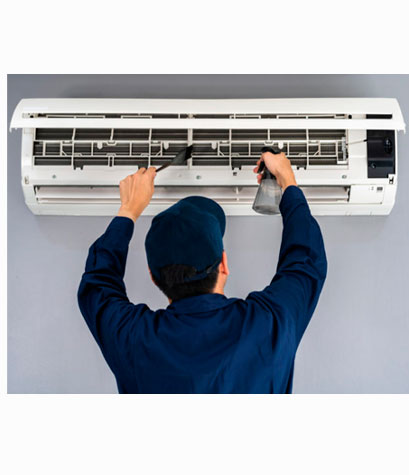
- Coils: Clean indoor and outdoor coils. Dirt is hidden capacity loss.
- Filters: Replace on schedule; more often in smoke season.
- Drainage: Clear condensate lines before algae clogs them on the first hot week.
- Clearance: Keep bushes 2 - 3 feet off the outdoor unit for airflow.
Noise and placement
Place the outdoor unit away from bedrooms and reflective corners. Variable-speed gear is quieter, and steady low operation beats loud cycling. Good line-set isolation and level pads stop jitters traveling into the house.
Cost control without drama
- Schedule: Pre-cool before peak, relax setpoint slightly during peak, hold steady in the evening.
- Fan strategy: Low continuous fan can smooth temps and filter air; confirm it doesn't over-dry or waste energy.
- Shade and interior loads: Close blinds, run heat-making appliances early, use induction instead of gas on hot afternoons.
Quick checklist
- Set realistic cooling targets for high-gain rooms; use zoning or a mini-split where needed.
- Verify duct sealing and filter fit before blaming the equipment.
- Use variable-speed and smart staging to ride the daily temperature swing.
- Keep a smoke-day mode: close intakes, better filter, steady low fan.
Where to iterate next
Log a week of hot afternoons, note runtimes, indoor humidity, and room-to-room spread. Tweak pre-cool timing and fan speed, then reassess after the next heat wave; Boulder's shoulder seasons will suggest a few more refinements soon.